

In the quiet moments before the sun crests the horizon, many parents sit with a cup of coffee, contemplating the delicate balance of family life. We want our homes to be sanctuaries of peace, but we live in a world that is loud, demanding, and prone to “storms”—both the literal kind that rattle the windows and the metaphorical kind that rattle our bank accounts. For the modern family, resilience isn’t just a buzzword; it is a required discipline. It is the ability to maintain our values and our sanity when the car breaks down, the roof leaks, or the schedule overflows.
True stability in a family unit is built on two pillars: spiritual grounding and logistical preparedness. While we often focus on the emotional and moral development of our children, we cannot ignore the physical environment in which that development occurs. A household that is constantly in a state of chaos or financial distress struggles to find the margin necessary for deep connection and growth. By taking a proactive, organized approach to our homes and finances, we aren’t just checking off a to-do list; we are clearing the path for a more peaceful, purpose-driven life.
This guide is designed to help you navigate those complexities, offering a deep dive into the practicalities of modern stewardship. From the ground beneath your feet to the way you spend your Tuesday mornings, every detail matters.
Strengthening Your Household’s Physical Foundation
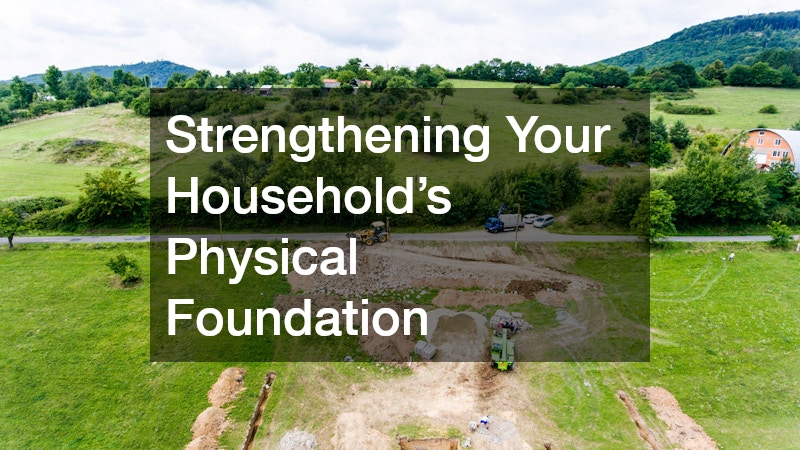
The home is more than just a shelter; it is the stage where your family’s history is written. Because of this, maintaining the structural health of your house is a primary responsibility. Often, we ignore the subtle signs of wear and tear until they become catastrophic failures. To prevent this, a family must adopt a “preventative” rather than “reactive” mindset. This starts with the very earth your house sits on. Soil expansion, drainage issues, and shifting ground can all compromise the safety of your living space.
If you begin to notice cracks in the drywall that seem to widen over time, or doors that suddenly stick in their frames, it is imperative to seek professional help immediately. Hiring a reputable foundation repair service can seem like a daunting expense, but it is an investment in the long-term safety of your household. A stable home provides the literal foundation upon which your family’s peace of mind is built. Without a secure base, the rest of your home improvements—no matter how beautiful—are at risk of being undermined by shifting earth.
Beyond the structural elements, consider these tips for home protection:
-
Seasonal Inspections: Every spring and fall, walk the perimeter of your home. Look for pooling water or gaps in the siding. Check for signs of mold or wood rot in crawl spaces.
-
Gutter Maintenance: Keep your drainage systems clear to ensure water is directed away from the house. Clogged gutters are a primary cause of basement flooding and soil erosion near the base of your home.
-
Landscaping Awareness: Be mindful of large trees with aggressive root systems that may interfere with your plumbing or structural integrity.
While we manage our own residences, many families are also deeply involved in their local community centers or houses of worship. Part of being a “good neighbor” involves ensuring these shared spaces are also protected. If you serve on a committee or board, take an interest in the administrative side of things. Asking questions about the current church insurance policy ensures that the community has the right coverage to rebuild should a fire, flood, or accident occur. This kind of “boring” oversight is actually a profound act of service, protecting the sanctuary where others seek comfort and ensuring that communal resources are used wisely.
Financial Stewardship and Future-Proofing
Money is often cited as the leading cause of stress in modern families, but it doesn’t have to be. When we view finances through the lens of stewardship—managing resources that have been entrusted to us—the pressure shifts from “having more” to “using well.” This requires a transparent relationship with your financial institutions and a commitment to educating the next generation.
Choosing where you keep your family’s capital is a significant decision. While national megabanks have their place, many families find that a local bank offers a level of personal service that is invaluable during a crisis. When the person behind the counter knows your name and understands your family’s goals, you gain a partner in your financial journey. This human element can be the difference between a quick resolution to a fraud issue and weeks of automated phone menus.
To raise financially resilient children, you must involve them in the process early. Consider these practical teaching methods:
-
The Three-Jar System: Label three jars: Give, Save, and Spend. This provides a visual representation of how money is allocated.
-
Physical Currency: In a world of digital swipes, let children handle physical coins so they understand that money is a finite resource. It’s hard for a child to grasp the value of a credit card tap, but they can feel the weight of a full piggy bank.
-
Budget Transparency: Within reason, let your older children see what things cost. Show them the grocery bill or the heating costs for the winter. This demystifies adulthood and prepares them for their own households.
-
Goal Setting: Work together to save for a family “extra,” such as a new outdoor swing set or a special dinner.
By building a solid relationship with a trusted financial institution and teaching your children the weight of even the smallest denominations, you are equipping them with the tools they need to avoid the debt traps of the future. Financial peace isn’t about the amount in the account; it’s about the wisdom with which it is managed and the values that drive your spending.
Designing Your Dream Property with Wise Investment

As families grow, the desire for more space often becomes a central conversation. Whether it’s the dream of a large garden, a place for children to roam, or simply more distance from the bustle of the city, land represents potential. However, moving from a standard residential lot to a larger piece of property requires a different set of skills and financial strategies.
When you find a piece of property that feels right for your family’s future, the first hurdle is often the logistical side of the purchase. Standard mortgages for existing homes are straightforward, but raw acreage is different. You will likely need to look into specific financing for land options. These loans often require different down payments, sometimes as high as 20% to 30%, and may have shorter repayment terms. Working with a lender who understands rural property is vital to ensure the debt load remains manageable for your family budget.
Once the property is yours, the real work begins. Raw land rarely comes “ready to build.” You will likely face the labor-intensive process of land clearing, which involves removing brush, downed trees, and debris to create a safe space for your home or garden.
-
Site Evaluation: Identify which trees are healthy and provide natural shade versus those that are dead and pose a falling hazard.
-
Safety First: Always mark underground utility lines or old septic systems before any major excavation or clearing work begins.
-
Erosion Control: Be careful not to remove so much vegetation that the topsoil washes away during the first rainstorm. Use silt fences or hay bales if necessary.
Taking a piece of wild land and turning it into a family homestead is a deeply rewarding process. It teaches patience, hard work, and the value of physical labor. It is a tangible way to build a legacy that can be passed down through the generations, providing a permanent place for your family to gather and grow.
Establishing Life-Giving Daily Rhythms
The “storms” of life are often just the daily grind wearing us down. If the mornings are chaotic and the evenings are exhausted, the family bond begins to fray. To counter this, we must be intentional about our daily rhythms. This starts the moment we wake up. The tone you set in the first hour of the day often dictates the emotional climate of the home until bedtime.
A shared family breakfast is one of the most effective ways to ground your children before they head out into the world. It is a time for eye contact, a quick check-in on the day’s worries, and a nutritious start. Even if it’s only fifteen minutes, that consistency acts as an anchor. Research shows that families who eat together regularly experience lower levels of stress and higher levels of academic performance in children.
-
Prep the Night Before: Set the table or chop fruit in the evening to reduce morning stress.
-
Keep it Simple: It doesn’t have to be a gourmet meal; a bowl of oatmeal or whole-grain toast shared together is enough to facilitate connection.
-
Digital Fasting: Keep phones and tablets away from the table. This is the time to listen to each other, not to the news or social media notifications.
Beyond nutrition, we must consider the basic infrastructure of our health. In an age of environmental uncertainty, being certain about your water supplies is crucial. Whether you are on a city line or a private well, investing in high-quality filtration and keeping a backup supply for emergencies is a practical way to protect your family. This isn’t about being an alarmist; it’s about being prepared. Ensure your family knows how to access the main water shut-off valve and how to treat water if the supply is ever compromised. Clean water is the most basic of needs, and having a plan for its consistency ensures that even during a local utility failure, your home remains a place of safety and health.
Outsourcing and Community Support Systems
One of the hardest lessons for modern parents to learn is that we cannot do it all. The “DIY” culture is wonderful for hobbies, but when it begins to rob you of the time you should be spending with your spouse or children, it becomes a hindrance. There is no shame in seeking professional help to manage the logistical burdens of a household. In fact, delegating certain tasks can be the greatest gift you give to your marriage and your mental health.
For many families, the never-ending cycle of laundry is a major source of friction. The pile never seems to disappear, and the mental energy required to wash, dry, fold, and put away can be overwhelming. If you find yourself spending every Saturday in the basement instead of at the park with your kids, it might be time to look for a local laundry service. Many of these services offer “wash and fold” options that allow you to drop off bags and pick them up a day later, perfectly organized. This returns hours of high-quality time to your week.
Other ways to outsource and reclaim your time include:
-
Grocery Delivery: Saving the two hours spent navigating aisles and waiting in lines can change the tone of your entire weekend.
-
Deep Cleaning: Hiring professional help once a month to do the “heavy lifting”—like scrubbing baseboards and windows—allows you to focus on daily tidiness without the looming guilt of deep-seated dirt.
-
Shared Community Roles: If you are part of a religious organization, you can offer your specific skills to help the community. Perhaps you can help review the church insurance requirements to save the congregation money, or assist in organizing a community garden.
Using these services isn’t a sign of laziness; it is a sign of strategic management. By delegating the repetitive, time-consuming tasks, you are freeing up your mental and emotional energy for the things that truly matter: listening to your teenager, playing with your toddler, or simply resting.
Intentional Rest and Family Reconnection

Finally, no family can survive a constant state of “doing.” We were designed for cycles of work and rest. In our hyper-connected world, true rest often requires us to physically remove ourselves from our normal environment. Family vacations or “retreats” are not luxuries; they are essential maintenance for the family soul. They provide a “reset” button for relationships that may have grown strained during the busy school year.
Traditional hotels can sometimes feel cramped and impersonal, making it hard for a family to truly relax and move at their own pace. Many families now prefer booking an airbnb because it provides a kitchen, separate bedrooms, and a “homey” atmosphere. Having a living room where you can play board games or a backyard where the kids can run allows for a much more organic bonding experience. It allows you to maintain some of your healthy rhythms, like cooking together, while being in a fresh, inspiring location.
When planning these times of reconnection, keep these principles in mind:
-
Low Agenda: Don’t overschedule every minute with tourist attractions. Leave room for spontaneous walks, long naps, or sitting on a porch together.
-
Nature Focus: Try to find locations that offer easy access to the outdoors. Whether it’s the beach, the mountains, or a local forest, nature is naturally restorative to the human spirit.
-
Intentional Conversation: Use this time away to talk about family goals or to simply share what you appreciate about one another. Ask the “big” questions that get lost in the noise of daily chores.
-
Digital Boundaries: Encourage everyone to leave their devices in a common area at night to ensure the focus remains on the people physically present.
Even when you aren’t traveling, you can create a culture of rest within your own home. Designating one day a week free from chores and screens can have a transformative effect on your family’s stress levels. Whether you are away in a rented cabin or sitting on your own porch, the goal is the same: to stop producing and start relating.
Building a resilient family is a lifelong project. It is composed of a thousand small decisions—from how you handle your finances to how you spend your Saturday mornings. When we take the time to address the “un-fun” parts of life, like structural repairs, insurance, and long-term planning, we are actually creating a fortress of peace. We are ensuring that when the storms of life inevitably arrive, our foundations will not shake.
By blending this practical diligence with a heart for service and a commitment to rest, you create a household that doesn’t just survive but thrives. You teach your children that life is a gift to be managed with wisdom and that even the most mundane task can be an act of love. Resilience isn’t about being perfect; it’s about being prepared. Take a breath, pick one area to improve this week, and start building the stable, joyful home your family deserves.